
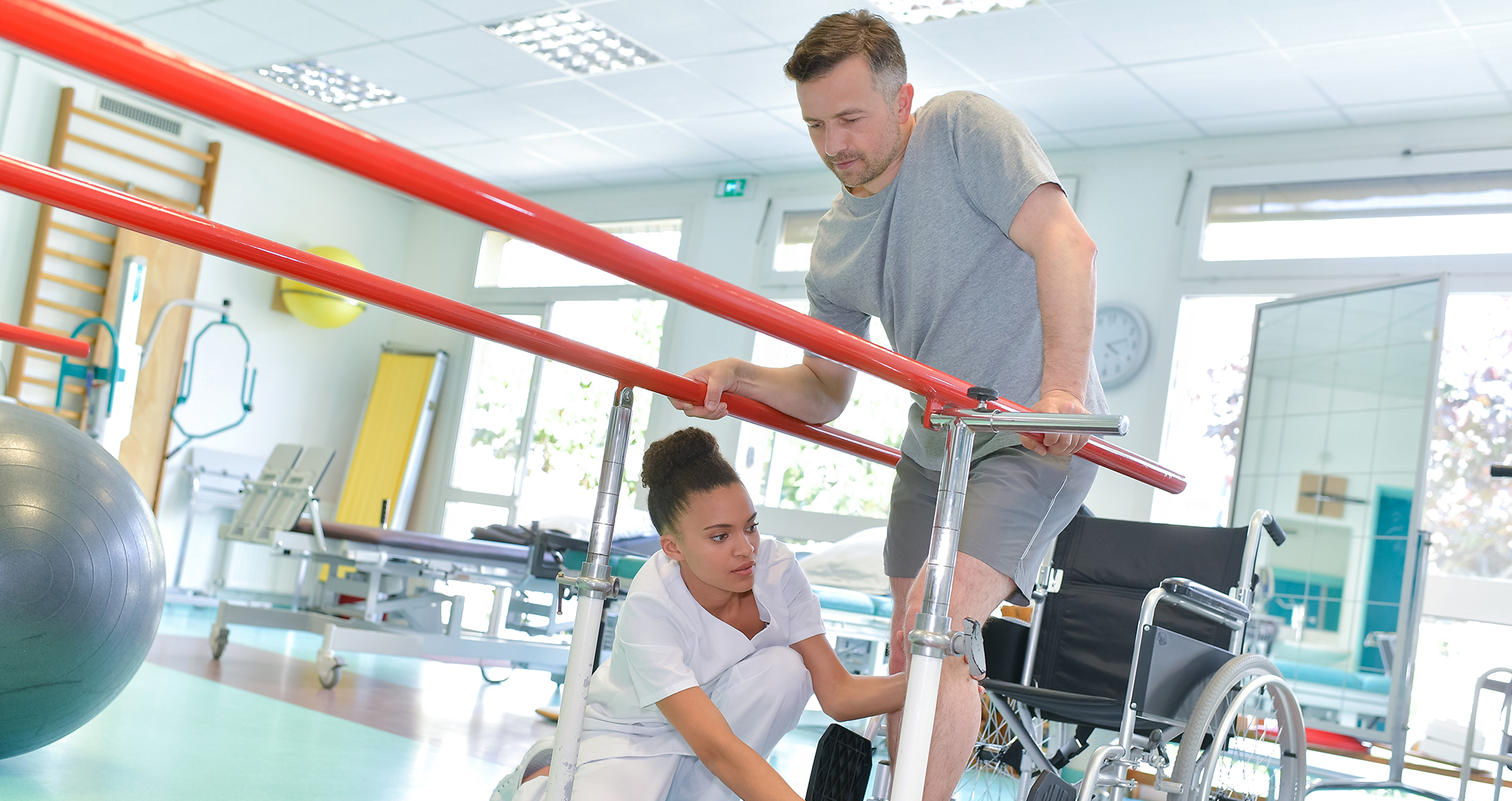
Your discharge from the hospital is a milestone worth celebrating. It signals progress, stability and moving on to the next phase of recovery. But the return home does not mean your falls risk and the possibility of further injury disappears. In fact, the transition from a care facility to home is one of the most vulnerable periods for patients at high-risk of slippage and falls.
Why Fall Risk Increases After Clinical Discharge
Even if you feel “better” and have healed from any previous falls, several physical and environmental factors remain that could result in an unexpected fall. Some of these factors include:
- Ongoing effects of anesthesia or sedation.
- New prescriptions or medication changes that may cause dizziness or blood pressure to drop.
- Physical weakness, fatigue or muscle atrophy from extended bed rest.
- Post-procedure pain or unfamiliar mobility restrictions.
- Navigating slick tile, hardwood floors, stairs and other risky surfaces without accessibility features like grab bars.
The “Safety Gap” Between Hospital and Home
Inside the emergency room, fall prevention protocols are visible and consistent. Tools like balance tests, medication reviews, environmental modifications, safety footwear and non-skid socks, assistance devices, signage, staff reminders and other core components all reinforce safety in a clinical setting while adults are rebuilding their muscle strength. But at home, those guardrails and reminders go away.
According to the CDC (Centers for Disease Control and Prevention), millions of adults – roughly one in four individuals age 65 and older – experience falls each year, most of which occur in the home. The immediate post-discharge window is especially critical because patients are still regaining strength while navigating new obstacles around the house like slick flooring, stairs, pets and daily household tasks.
Why Continue Wearing Fall Management Socks at Home?
Clinically issued non-slip socks are not just a souvenir from the hospital. They serve a functional purpose in keeping you on your feet as best as possible during recovery. Continuing to wear them at home offers several key benefits. Some of these critical functions include:
- Providing superior traction that prevents slips on slick hardwood, tile and vinyl floors.
- Reducing slippage compared to regular cotton socks.
- Offering lightweight comfort without the bulk of shoes.
- Supporting psychological confidence during early walking when you are not your strongest.
- Reinforcing safe movement habits during your first few weeks of healing.
If you are recovering from surgery or even a short medical stay, maintaining traction during the first one to two weeks at home can meaningfully reduce the risk of a costly slip or fall.
A Simple Extension of Clinical Care
Healthcare organizations invest heavily in fall prevention during patient admission. Extending that same safety mindset beyond the hospital doors is a logical next step in supporting positive recovery outcomes and reducing the chance of an avoidable readmission.
For patients and caregivers overseeing post-discharge care, the bottom line is simple; if the hospital or long-term care facility requires non-slip socks for safety purposes, there is a reason. Continuing to wear them at home during recovery is a small action with a potentially significant impact.
Recovery is about rebuilding strength and independence. Staying upright is part of that journey, and one that with the proper precautions, can be made easier.
Centers for Disease Control STEADI Initiative
Falls are one of the most common and easily preventable sources of injury after discharge. The CDC STEADI initiative, which stands for Stopping Elderly Accidents, Deaths and Injuries, offers a way to test out and use fall prevention strategies both in clinical settings and as you transition home.
- Screen: Identify if you are at risk for falls.
- Assess: Evaluate risk factors you can change, like medications and the way you walk.
- Intervene: Use clinical and community strategies to reduce risk.
Extending fall prevention beyond discharge, even through simple traction measures like the use of non-slip socks or safety footwear, aligns with STEADI’s goals to keep you safe and independent longer after discharge. Visit this resource to learn more about the CDC STEADI program and other resources for both patients and their care providers.
Core Components of a Home Fall Prevention Plan
A successful transition from the care facility to the home requires a multi-faceted approach to environmental modification.
- Medication and Balance Reviews: Consult with your health care providers to ensure your medications aren’t causing dizziness or loss of balance, a key pillar of the STEADI assessment.
- Environmental Modifications: Simple changes, such as improving lighting and removing area rugs, can drastically reduce trip hazards.
- Safe Footwear and Traction: Proper footwear and traction is critical yet often overlooked. Moving from the hospital to the home often means moving from grip-floors to slippery hardwood or tile. Non-slip grippy socks provide the necessary traction to maintain the “safety-first” mindset of a clinical setting within the home.
Taking the Next Step in Fall Prevention
Fall prevention and avoiding risk factors is a continuous process. By utilizing the CDC STEADI Resources and ensuring you have the right safety gear, such as high-traction socks, you can reduce the risk of re-hospitalization and remain independent in your home.
Fall Prevention Strategies at Home
Most people don’t think about fall prevention until after an incident happens, but there are ways to be prepared. There are many myths surrounding slips and falls, but here’s the truth: most falls happen at home, not in clinical settings.
With hardwood floors, tile, luxury vinyl and polished concrete, modern homes are beautiful, open and easy to maintain, but they’re also often incredibly slick. Regular socks may reduce friction, but non-slip socks increase traction, a critical piece in keeping you upright and on your feet.
Another false myth is that bare feet are better when it comes to fall prevention; but this is not true.
While we tend to mentally associate falls with older people and elderly adults, the risk of falls increases for any individual of any age when:
- Walking downstairs in regular socks or slippers
- Getting up in the middle of the night
- Carrying laundry, groceries or any oversized load
- Recovering from illness or a procedure
- Feeling tired, faint or dehydrated
- Navigating around messes, pets or kids
One unexpected slip caused by the above risk factors can cause a fall injury that results in an emergency room visit, x-rays, missed work and sometimes head injuries, fractures and months of recovery time.
Best Non-Slip Socks to Prevent Fall Injuries at Home
The Pillow Paws® brand has over 65 years of safety footwear experience. Pillow Paws terrycloth non-slip socks bring the comfort and peace of mind of professional care with you to the home. Some benefits and features of Pillow Paws include:
- Comfortable for everyday wear
- Available in multiple styles and a wide range of sizes
- More discreet and lower profile than typical slipper or house shoes
- Safer than traditional socks or bare feet on slick surfaces
- A simple layer of prevention that could make a big difference in the long run
In our daily lives, we routinely lock our doors, buckle our seat belts and install smoke detectors all before something goes wrong. Fall prevention at home deserves the same precautionary mindset. Small choices can lower the risk of falls and provide greater confidence moving through your own space as you get used to being home again.